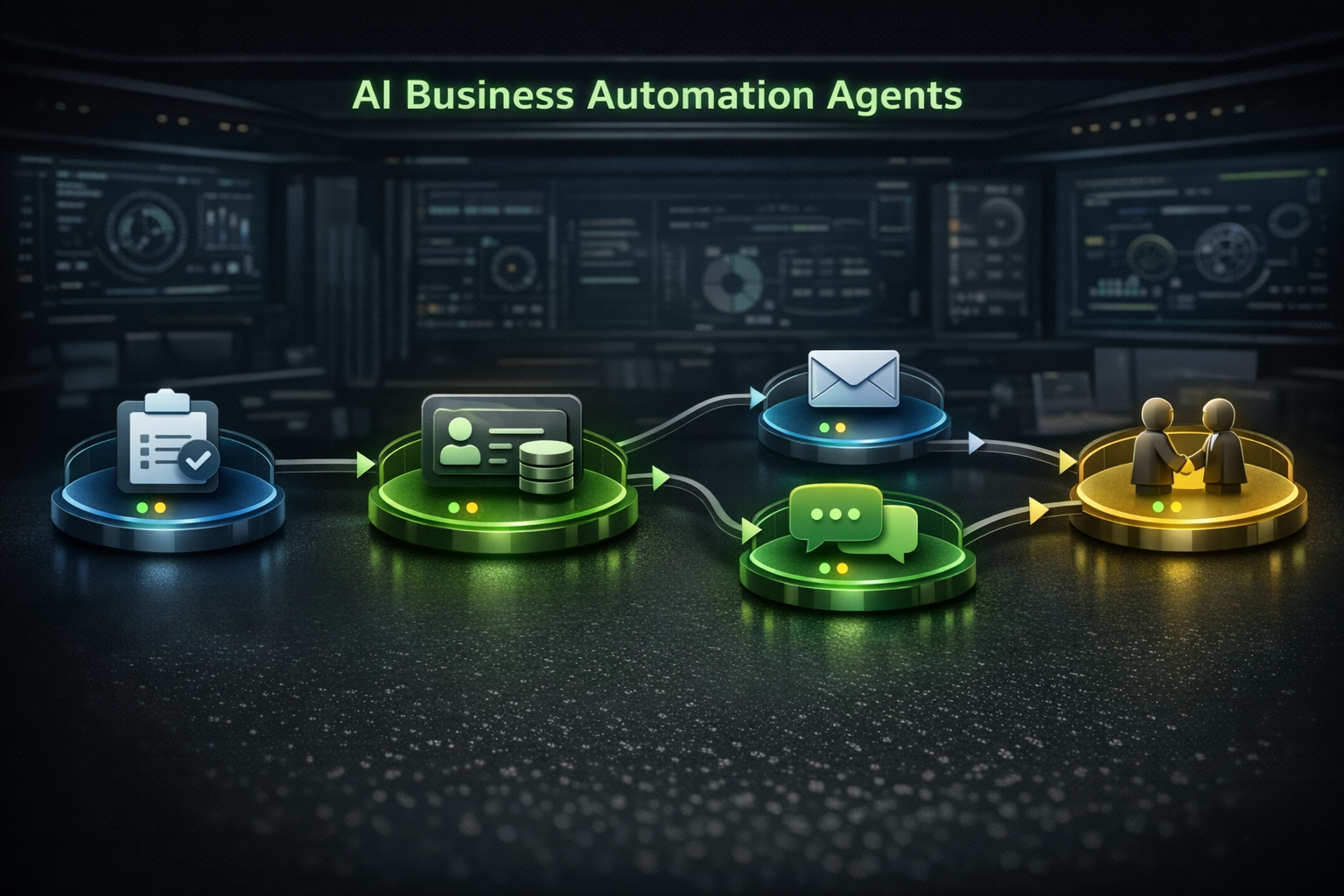
In 2026, AI coding assistants are no longer just productivity tools for developers. They are becoming part of business operations. Startups use them to ship faster, agencies use them to produce landing pages and automations, and internal teams use them to document processes, fix bugs, and accelerate repetitive work.
Two names dominate most discussions: Claude Code and ChatGPT. Both can write code, explain logic, help debug errors, generate content, and automate common workflows. But they often feel different in real use.
Where Claude Code stands out
Claude Code usually feels strongest when the work requires context, structure, and careful reasoning across many files. It is useful for understanding existing codebases, planning a refactor, improving architecture, writing safer edits, and explaining technical tradeoffs in clear language.
Where ChatGPT stands out
ChatGPT is often very strong for fast ideation, quick code generation, drafting UI concepts, brainstorming product flows, and handling mixed tasks that jump between code, writing, and general problem solving. It can feel especially useful when you want broad exploration and fast iteration.
Best use cases for Claude Code
- Understanding an existing repository before making changes
- Debugging tricky issues with more step-by-step reasoning
- Editing or refactoring code with better structure awareness
- Producing implementation plans before coding
- Working inside longer development sessions with context retention
Best use cases for ChatGPT
- Rapid prototyping and idea generation
- Drafting sample code from scratch
- Creating content, copy, or mixed technical explanations
- Quick help with formulas, scripts, snippets, and experiments
- Early brainstorming before requirements are clear
What founders and business owners should consider
If you are not a full-time developer, the key question is not which model is smarter in theory. The question is which tool helps you move real work forward with less confusion. For a founder trying to build internal tools, automate reporting, or launch websites faster, clarity matters as much as raw output speed.
In many real business situations, teams even use both. One tool helps generate options quickly, while the other helps refine production-ready implementation.
For business automation projects
When you are building automations like lead routing, WhatsApp workflows, internal dashboards, AI chatbot systems, or CRM integrations, the work usually includes logic, edge cases, docs, and maintenance. That is where a more structured assistant can save time. You want fewer hallucinated shortcuts and better reasoning about how the system actually fits together.
For content, UI, and marketing support
If the workflow includes campaign ideas, landing page copy, messaging variants, lightweight scripts, and quick marketing experiments, ChatGPT can be a strong partner because it moves fast and adapts across multiple content styles.
What Techsadhika recommends
For agencies, startups, and business teams, do not think of this as a winner-takes-all decision. Match the tool to the task. Use one assistant where speed matters, and the other where precision, repo understanding, and safer implementation matter more. The right stack is the one that reduces bottlenecks for your team.
If your business wants AI assistance for coding, websites, automation, SaaS workflows, or chat systems, the real value does not come from the model alone. It comes from designing the workflow around your business goals.
Techsadhika helps Indian businesses use AI for websites, coding automation, lead systems, chatbots, and operational workflows that actually save time.
Book a free consultation